Elementor Template  /  Construction Template Kit

Construction Template for Elementor

Showcase your expertise with our professional Elementor templates designed specifically for the construction industry. Highlight your projects, client testimonials, and services with stunning, user-friendly layouts tailored to impress potential clients and establish trust in your craftsmanship.

After a brief tech-induced hiatus, Alex is back to bring the high-level economic talk back down to base: your personal budget. In an era of $3.50 fuel and international volatility, it’s easy to feel like you’ve lost control of your finances. This episode simplifies the “dreaded” budget into a basic mechanical tool. Using a 2026 household example with a $177,000 income, Alex demonstrates how to find an extra $5,000 in monthly cash flow by using a “generous” budgeting style. We move away from restrictive, “tired-ass” accounting and toward a simple, three-account system designed to offset interest and build a war chest for future investments.

What We Covered

  • The Simplicity Mantra: Why a budget isn’t a restriction, but a simple map of “Money In vs. Money Out.”

  • The MoneySmart Tool: Utilizing the federal government’s budget planner to establish a baseline before making any strategic investment moves.

  • The $1,500 “Life Buffer”: Why you must allow for “random things” (coffee, gifts, repairs) in your budget to avoid “analysis paralysis” or abandonment of your strategy.

  • The 177k Case Study: A breakdown of a typical 2026 couple’s income, showing how $15,000/month is allocated across mortgages, health insurance, and discretionary spending.

  • The Three-Account Strategy: 1. The Offset Hub: Where all income lands to minimize mortgage interest.

    2. The Investment Account: For consistent transfers into shares or property equity.

    3. The War Chest: A dedicated liquidity bucket for emergencies and holidays.

  • Consistency vs. Timing: Why the recent 7% market rebound proves that consistent investing beats trying to “time” global conflicts or inflation peaks.

  • The Offset Advantage: Why 9 out of 10 clients benefit from an offset account as their primary financial hub.

3 Takeaways

  1. Budget for a Real Life: Don’t be too harsh on your discretionary spending. If your budget is so strict that you can’t buy a cup of coffee, you won’t stick to it. Give yourself a generous buffer so the “surplus” is a realistic number you can actually invest.

  2. Simplicity Over Complexity: You don’t need 17 bank accounts. A three-bucket system (Offset, Investment, War Chest) is manageable, transparent, and more effective for long-term wealth building.

  3. Know Your Numbers Before Your Project: Just as you wouldn’t start a bathroom renovation without a quote, don’t start a property portfolio without a budget. Knowing your exact net cash flow prevents you from underestimating your potential or overextending your risk.
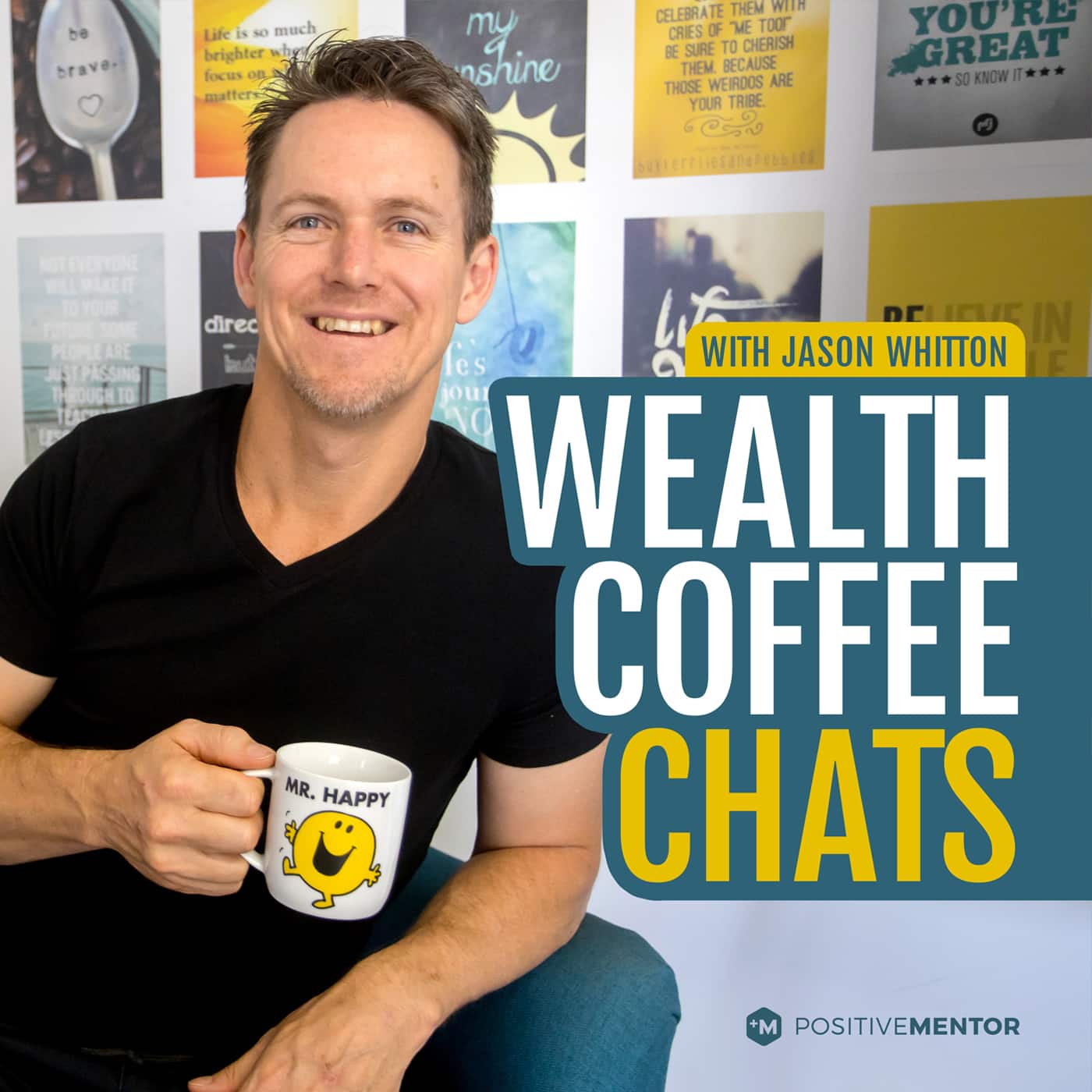

WCC 1011: The “Money In, Money Out” Blueprint: Mastering Your 2026 Cash Flow

After a brief tech-induced hiatus, Alex is back to bring the high-level economic talk back down to base: your personal budget. In an era of $3.50 fuel and international volatility, it’s easy to feel like you’ve lost control of your finances. This episode simplifies the “dreaded” budget into a basic mechanical tool. Using a 2026 household example with a $177,000 income, Alex demonstrates how to find an extra $5,000 in monthly cash flow by using a “generous” budgeting style. We move away from restrictive, “tired-ass” accounting and toward a simple, three-account system designed to offset interest and build a war chest for future investments.

What We Covered

  • The Simplicity Mantra: Why a budget isn’t a restriction, but a simple map of “Money In vs. Money Out.”

  • The MoneySmart Tool: Utilizing the federal government’s budget planner to establish a baseline before making any strategic investment moves.

  • The $1,500 “Life Buffer”: Why you must allow for “random things” (coffee, gifts, repairs) in your budget to avoid “analysis paralysis” or abandonment of your strategy.

  • The 177k Case Study: A breakdown of a typical 2026 couple’s income, showing how $15,000/month is allocated across mortgages, health insurance, and discretionary spending.

  • The Three-Account Strategy: 1. The Offset Hub: Where all income lands to minimize mortgage interest.

    2. The Investment Account: For consistent transfers into shares or property equity.

    3. The War Chest: A dedicated liquidity bucket for emergencies and holidays.

  • Consistency vs. Timing: Why the recent 7% market rebound proves that consistent investing beats trying to “time” global conflicts or inflation peaks.

  • The Offset Advantage: Why 9 out of 10 clients benefit from an offset account as their primary financial hub.

3 Takeaways

  1. Budget for a Real Life: Don’t be too harsh on your discretionary spending. If your budget is so strict that you can’t buy a cup of coffee, you won’t stick to it. Give yourself a generous buffer so the “surplus” is a realistic number you can actually invest.

  2. Simplicity Over Complexity: You don’t need 17 bank accounts. A three-bucket system (Offset, Investment, War Chest) is manageable, transparent, and more effective for long-term wealth building.

  3. Know Your Numbers Before Your Project: Just as you wouldn’t start a bathroom renovation without a quote, don’t start a property portfolio without a budget. Knowing your exact net cash flow prevents you from underestimating your potential or overextending your risk.

About the Author
From a small town boy growing up in the remote outback of rural Queensland, to becoming the founder of Australasia’s most powerful property wealth creation engine – Positive Real Estate Group CEO Jason Whitton is on a mission to change the way we look at wealth.